Health · Europa Today
Americans who depend on employer-sponsored health insurance paid more for their coverage this year, with employees at small businesses and their employers hit particularly hard by surging costs, according to a new survey from healthcare research nonprofit KFF. The 2026 Employer Health Benefits Survey, published on Thursday, found that covered workers paid hundreds of dollars more toward premiums compared to last year. The financial burden was most pronounced for staff at small firms employing 10 to 99 workers, who typically shoulder a larger share of insurance expenses than those at larger corporations.
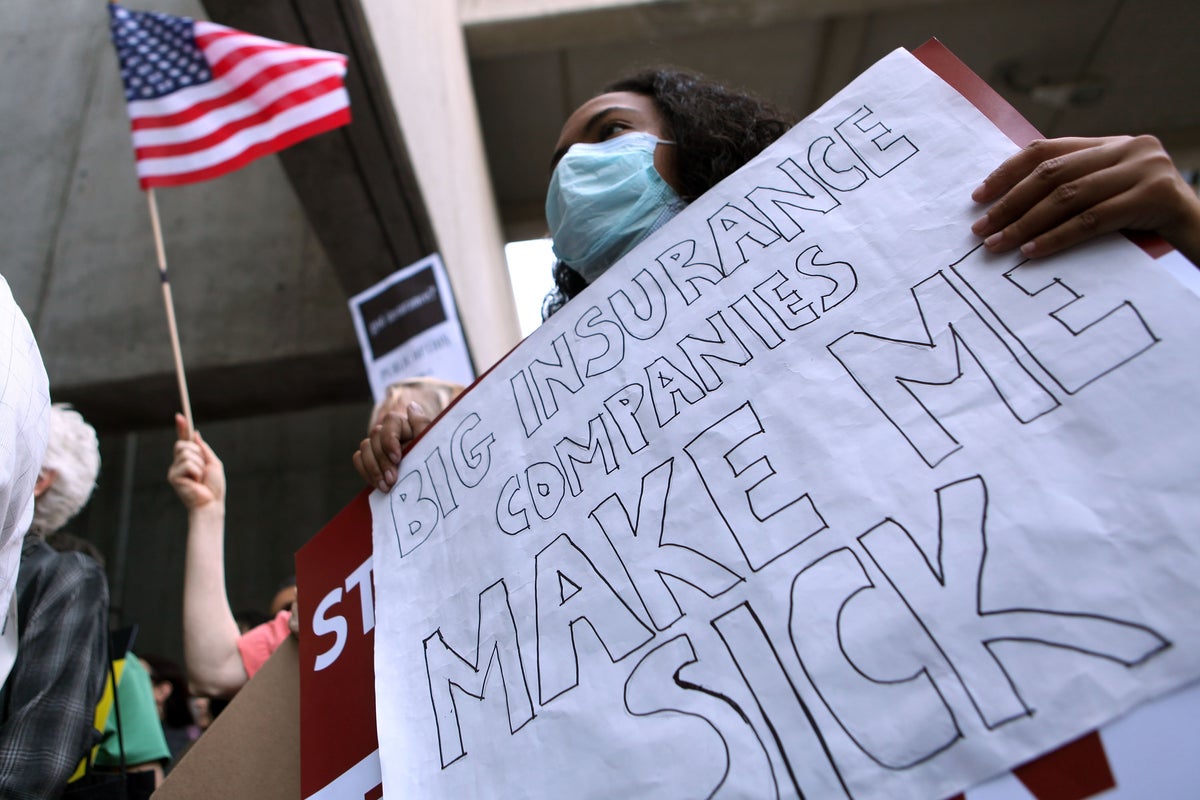
Escalating healthcare expenses have surfaced as a major issue for voters in the midterm elections as part of broader affordability concerns. An AP-NORC poll conducted in October revealed that roughly 7 in 10 registered voters rank healthcare as "one of the most important issues" in this election. Nearly 157 million Americans under retirement age depend on employer-sponsored healthcare plans.
According to the KFF study, employers report that employees pay an average of $7,471 annually toward premiums for family coverage this year, representing a rise of roughly 9%, or $621, from last year. "Workers are paying a bigger chunk this year," said Matthew Rae, associate director of KFF’s Program on the Health Care Marketplace, "which also brings up the issue of affordability." President Donald Trump has attempted to highlight healthcare affordability as part of his midterms messaging, asserting that his most-favored nation prescription drug pricing initiative would lower costs while promising rebates to certain Americans. However, other measures adopted by Trump's Republican administration have raised expenses for some, and the survey shows many seeing health insurance costs rise without obvious improvements to benefits.
Rising healthcare costs have emerged as an important issue for voters in the midterm elections and are part of broader affordability concerns (AP Photo/Jae C. Hong) The strain is felt acutely by small firms, which employ approximately 62.3 million people, or 45.9% of private-sector workers, based on figures from the Small Business Administration. Covered employees at smaller businesses contributed an average of $9,687 in 2026 toward family health coverage, compared with $6,840 at businesses employing 200 or more people, according to the survey.
In 2025, they paid about $8,900, compared with roughly $6,200 at larger companies. The study showed that workers at smaller firms pay an average of 37% of family coverage premiums, compared to 25% at larger firms. Furthermore, 32% of covered workers at small businesses are enrolled in plans requiring them to pay more than half of the family premium, compared with only 6% at larger enterprises.
Surging costs have forced small businesses to navigate a delicate balance between providing attractive benefits for employees and meeting other increasingly expensive business costs. Jenna Caligaris, who manages an upstate New York contractor employing around 25 workers, said the anxiety over providing health coverage to her workforce keeps her awake at night. Caligaris noted that because her company operates in a sector with intense competition for workers, it seeks every possible avenue to protect staff from paying higher shared insurance costs.
Her firm pays 80% of coverage for its nonunion staff, leaving employees to fund the remainder. From extending the service life of company vehicles and equipment to scaling back year-end worker bonuses and ending the annual company picnic, "we’re trying to maintain coverage and stay competitive — so we'll have to eat these price increases," Caligaris said. Over the past three years, the company has repeatedly switched insurance providers to save money, yet faces a 25% increase in premiums this year, Caligaris said.
Rae, of KFF, noted that small firms face larger deductibles than bigger businesses along with greater market volatility. KFF’s annual health benefits survey of large and small employers examines roughly 1,900 companies with 10 or more workers.
Source: The Independent